Play without pressure
A game can ask for your attention without demanding all of it. That is a design choice, not a compromise.
01 / Start with the feeling
Before a level map or a feature list, we ask a smaller question: how should someone feel when they put this down? Delighted, curious, a little more at ease? That answer changes the work. It shapes the pace, the sound, the difficulty and even what we choose not to build.
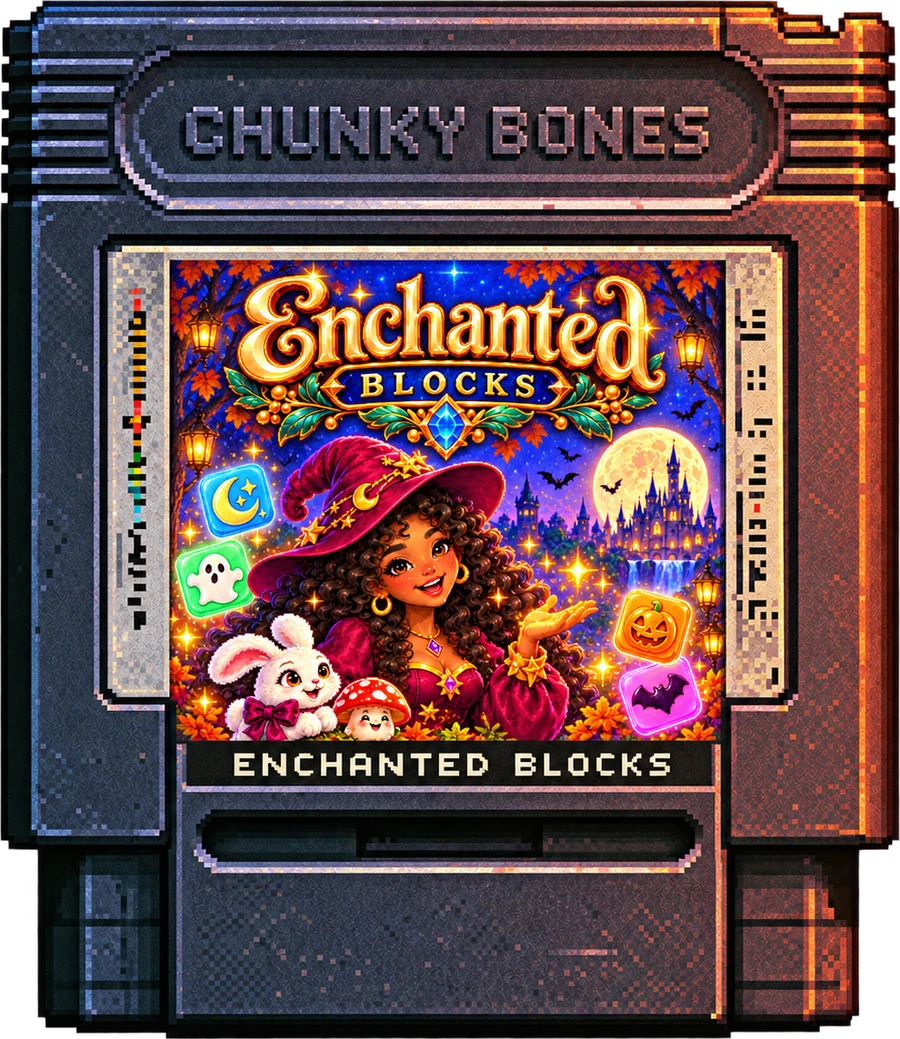
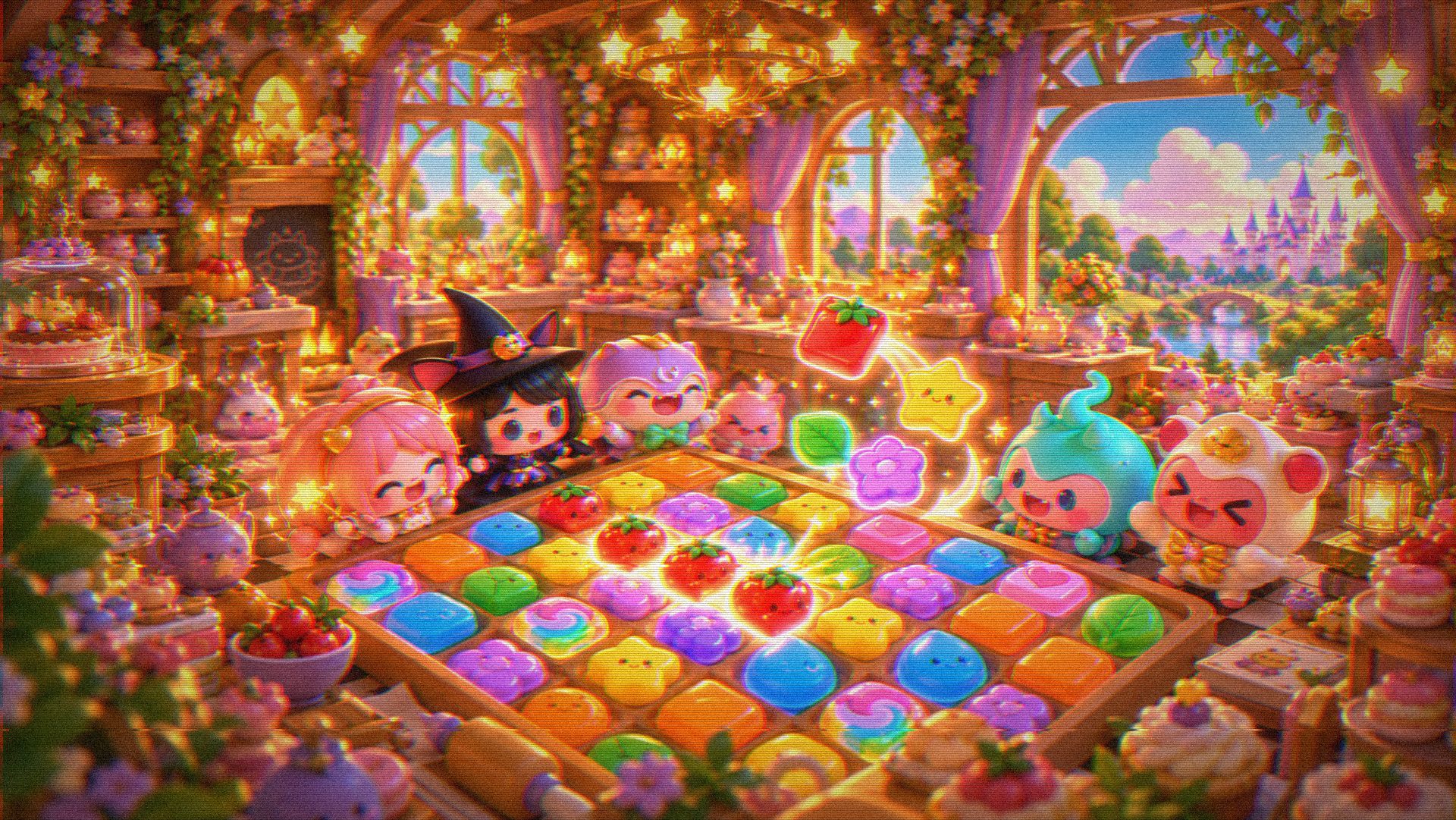
Enchanted Blocks gives that question a concrete setting: a casual puzzle game inside an illustrated world. The puzzle matters, but so does the welcome. A character, a satisfying cascade or a moment of quiet can give a small interaction its own personality.
02 / Make stopping feel okay
There is a difference between inviting someone back and making them afraid to leave. We are interested in games that can fit around a life, rather than compete with it. Clear pauses, understandable rules and a satisfying end to a short session are worth designing deliberately.
That does not mean stripping out challenge. Good challenge gives people room to learn. Pressure makes the product’s agenda louder than the player’s. We want to question that balance before it becomes a habit.
“If the reward disappeared, would this still feel good to play?”
03 / Craft, not just content
A small game does not need a small imagination. Timing, feedback and a coherent world can make familiar mechanics feel personal. We would rather spend time getting one interaction right than add five that have nothing to say.
Our working question: if the reward disappeared, would this still feel good to play? It is not the only test of a game. It is a useful place to start.